
From a bootable image to a working experience
CGH OS has taken an encouraging step from development into everyday use. In its first reported physical-laptop test, the system ran successfully on an HP laptop with 8 GB of RAM, giving Crawford Group Holdings an opportunity to explore the experience on real hardware.
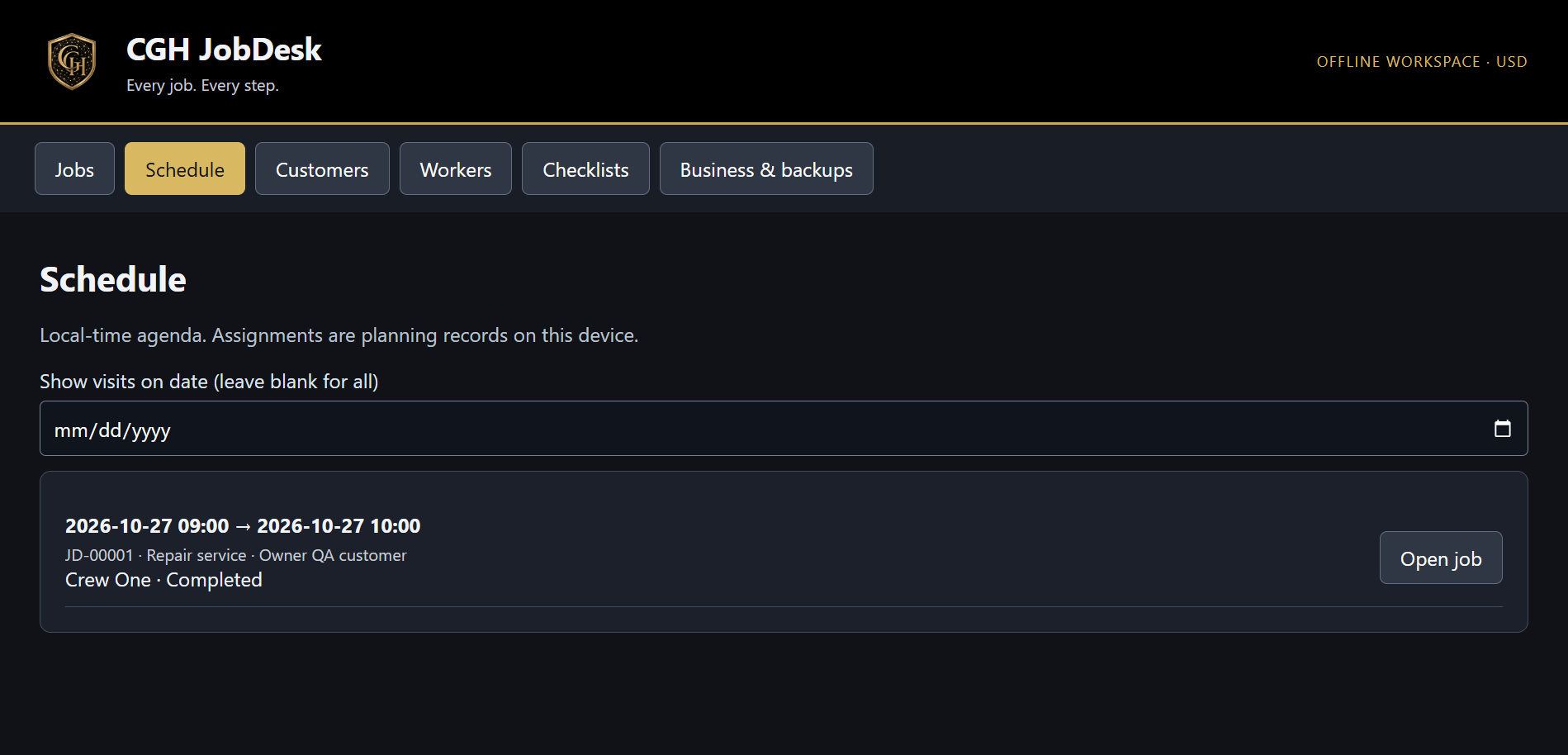
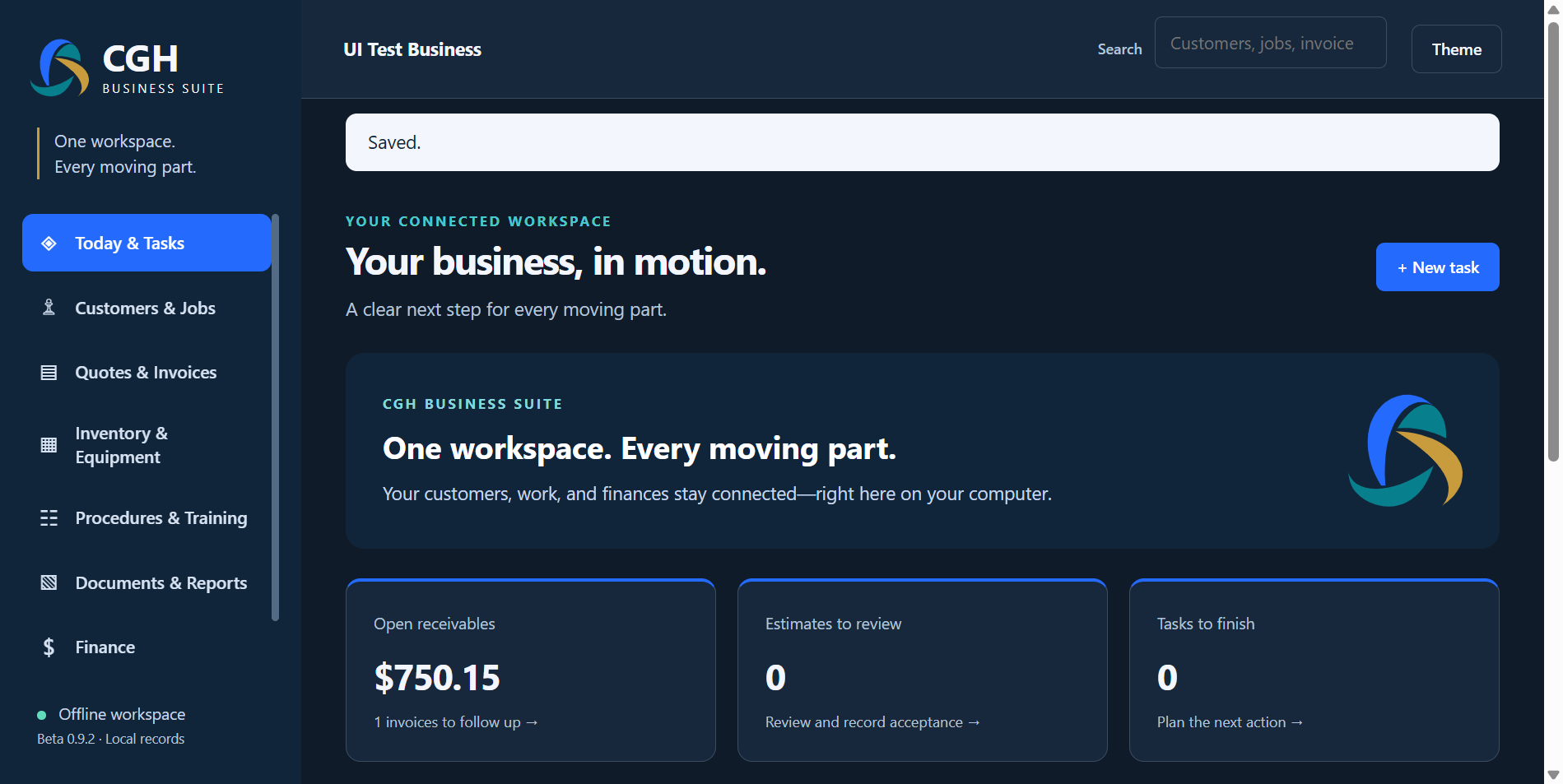
CGH founder James Crawford tested the browser, Wi-Fi, Bluetooth, Developer and Home Lab sections, along with the other offerings included in the test build. His assessment was direct: “it worked well.” That feedback reflects a hands-on session across the system’s included offerings, extending beyond simply reaching the desktop.
Everyday connections, practical tools
Browser use and wireless connectivity were part of the successful session. Crawford reported that the browser, Wi-Fi and Bluetooth worked well on the test laptop—an encouraging result for the everyday activities that make a desktop useful.
Testing these functions alongside the included applications provided a broader view of CGH OS as a working environment. The focus was the experience of using the system and exploring its tools together, rather than viewing individual screens in isolation.
Room to build, experiment and learn
The session also extended into Developer and Home Lab, two areas central to the project’s direction. Developer brings software-development tools into the workspace, while Home Lab gives users a place to explore the system’s included technical and experimentation resources.
Crawford tested both areas and reported a positive experience across the OS offerings. For a project intended to bring everyday computing and deeper technical exploration into one environment, that breadth of hands-on use is a meaningful development milestone.
CGH’s work brings its own branding, configuration, custom software and organized access to tools together on a Debian GNU/Linux foundation. The aim is a connected workspace that users can explore according to their interests, from browsing to development and Home Lab activities.
A promising result on an existing laptop
The HP laptop’s 8 GB of RAM makes this a useful early test on an existing computer. The successful session offers an encouraging example of CGH OS operating beyond a virtual machine and being used on physical hardware.
The result is a first-hand assessment from one laptop, not a published performance benchmark or a minimum-system specification. It provides a practical starting point for further hardware testing and refinement as development continues.
One System. Endless Possibilities.
The milestone also introduces CGH OS’s approved Orbit identity. Cyan-and-violet orbital artwork surrounds a luminous central orb, paired with the CGH OS name and the tagline “One System” and “Endless Possibilities,” separated by a miniature orb.
The identity reflects the direction behind the project: a recognizable CGH environment with room for everyday use, creation and technical discovery. The successful HP test gives that direction a concrete experience to build upon.
CGH OS remains in development. This update shares the successful test and the project’s progress; public availability and final release details will be announced separately.
Built on Debian, developed independently by CGH
CGH OS is an independent distribution built on Debian GNU/Linux. Debian and upstream contributors provide the underlying operating-system components; CGH adds its own branding, configuration and custom software. Debian welcomes independent derivatives, and applicable licenses allow commercial distribution while preserving recipients’ rights.
CGH OS is not an official Debian release and is not sponsored or endorsed by the Debian Project. Debian is a registered trademark of Software in the Public Interest, Inc. Third-party components retain their respective copyrights and licenses. Distribution must preserve required notices, license texts and disclaimers and provide exact-version corresponding source, modifications and required build or installation materials wherever the applicable licenses require them.
Debian package license information is normally available in /usr/share/doc/<package>/copyright. This news article does not replace the licenses or corresponding-source materials required with software distribution. Background information: https://www.debian.org/derivatives/ and https://www.debian.org/trademark .